designboom · Creativity & design
Nightclub Design: From Radical Italian Discotheques to Berlin's Industrial Spaces
Nightclub design has evolved, transforming spaces where the audience becomes part of the spectacle, blurring spectator and performance.
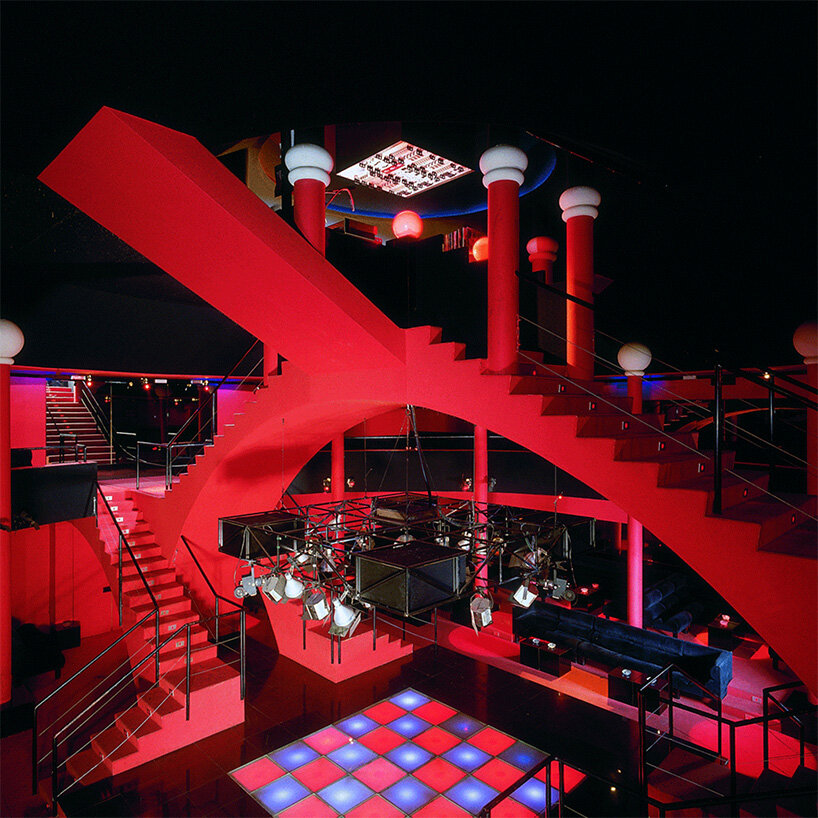
The 2018 Vitra Design Museum exhibition 'Night Fever' explored how clubs integrate bodies, sound, light, and architecture into a dynamic experience, making the audience part of the spectacle.
In the 1960s, Italian clubs like Piper (1966) and Space Electronic (1969) featured modular interiors. New York's Electric Circus (1967) merged architecture, lighting, music, and performance.
The 1970s disco era, like Studio 54 (1977), emphasized being seen. Clubs like Area (1983) took character from occupants, with the crowd shaping the atmosphere.
Post-1980s, The Haçienda (1982) offered open spaces. After the Berlin Wall fell, clubs like Tresor (1991) occupied disused industrial buildings.
Today, Berghain's no-photography policy contrasts with social media's focus on the entrance, highlighting a tension between documentation and unmediated experience.
While social media increases visibility, some clubs protect unphotographable aspects, allowing the crowd to exist without performing for cameras.
Nightclub design sets the conditions, but the crowd shapes the atmosphere. The same room transforms nightly, blending design and human presence.
AI-samenvatting op basis van de bron.
designboom