Dezeen · Creativity & design
Dyson's Product Innovations: Successes and Failures
Dyson, known for its innovative approach, has a mixed record in revolutionizing product categories. The company is now entering the toothbrush market with its CameraJet, prompting a look back at its history of product development.
Dyson's successes include revolutionizing vacuum cleaners with its bagless cyclone technology, first licensed in 1986 and later manufactured by Dyson. The company also transformed hand dryers with the 2006 Airblade, which used high-speed cool air to dry hands, though it faced criticism regarding hygiene and design.
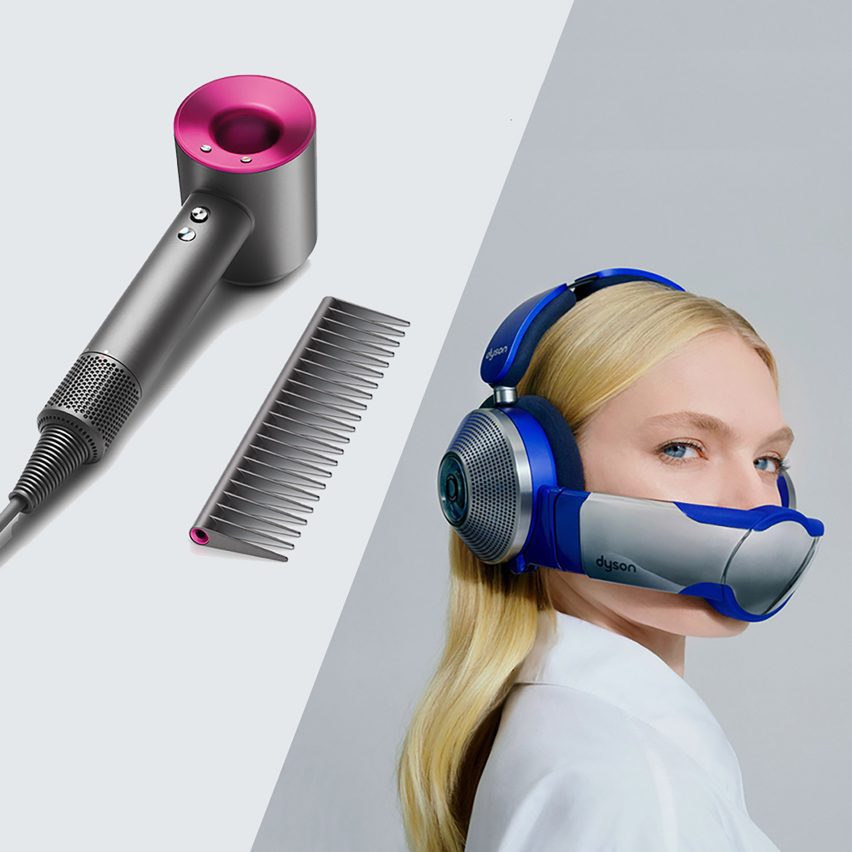
The company's bladeless fans, introduced in 2009, offered a new design and airflow, becoming a significant part of their product line but not fundamentally changing the fan market. Dyson also disrupted the hair care industry with the 2016 Supersonic hair dryer, which was lighter, quieter, and gentler on hair, quickly becoming a bestseller.
Dyson's failures include its washing machines, launched in the early 2000s with a unique dual-drum design. Despite claims of efficiency, high manufacturing costs led to their discontinuation.
The Dyson Zone, a combination of noise-cancelling headphones and an air-filtering visor, was withdrawn from sale in mid-2025, with the company stating it was ahead of its time.
During the COVID-19 pandemic, Dyson developed the CoVent ventilator in 30 days, but the UK government ultimately did not require the units, with a former minister later stating it failed regulatory tests.
Dyson's ambitious electric car project, announced in 2017, was scrapped two years later due to a lack of commercial viability, with projected high costs making it impossible to compete in the market.
AI-samenvatting op basis van de bron.
Dezeen