Dezeen · Creativity & design
Oslo Architecture Triennale Highlights Sustainable Material Use
The Oslo Architecture Triennale, themed 'What If Nature Comes First?', showcased innovative projects emphasizing reclaimed natural materials and local sourcing. The event, held from September 17 to October 1, aimed to demonstrate how architecture can prioritize nature and scale existing solutions.
The Grinham Research Group presented 'Upcycling Wool Ecologies,' featuring tiles made from waste sheep wool treated to become a plastic-like material. These multi-layered tiles are designed for building retrofits, offering insulation and weather resistance, and utilize the abundance of wool globally.
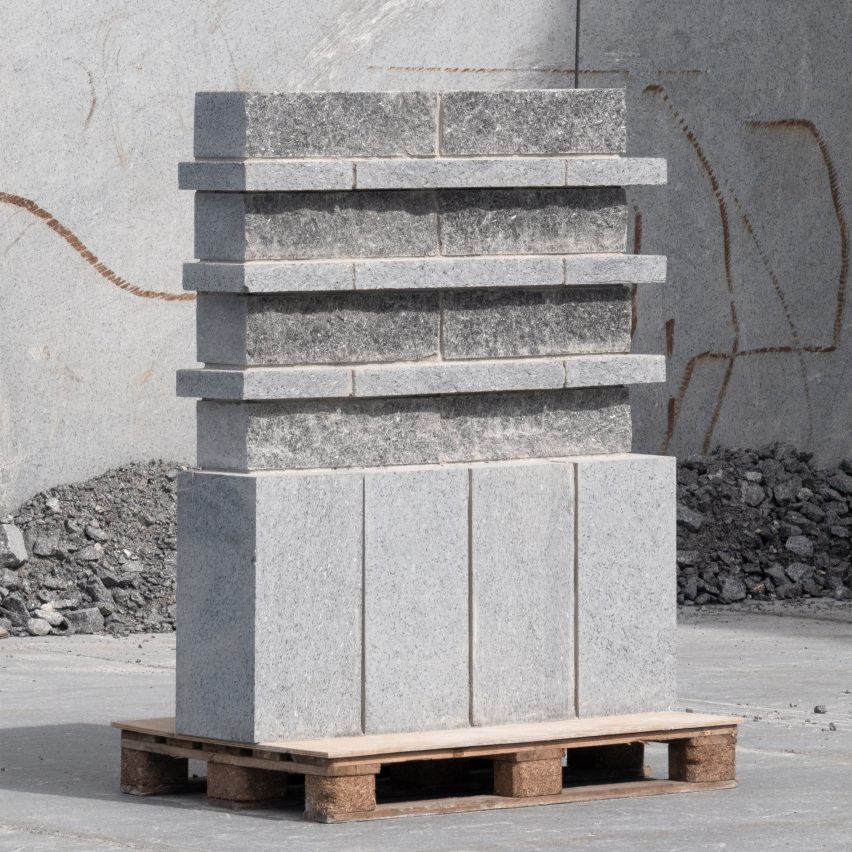
Martin Hopland and Studio Wideroe collaborated on 'Lasting Larvikite,' a series of stone wall prototypes using excess Larvikite stone. This approach aims to reduce quarry waste, replace high-intensity materials like concrete, and utilize a durable, natural resource.
Ask Holmen's 'Materiet Former' consists of sculptural benches made from locally sourced stone slabs. These seating areas, placed around Sofienberg Church, are intended to encourage dialogue and were designed with an open process where the stone elements guided the aesthetics.
The 'Open Sauna Experimental Construction' by Oslo Badstuforening, AHO, and UCLouvain-Loci involved students building a sauna from recycled materials. The design incorporates timber, glass bricks, and polycarbonate panels, with the roof's light inspired by church stained glass.
Studio Dreist's 'Initiating Common Ground' featured a communal table made using cocciopesto, an ancient Roman technique using lime and crushed brick. Workshops taught participants this method, repurposing local brick history into a functional exhibition piece.
AI-samenvatting op basis van de bron.
Dezeen