Hackaday · Creativity & design
FCC Rules May Fragment LoRa Mesh Communities
LoRa mesh networks like Meshtastic and MeshCore, popular for their low entry barrier, face potential fragmentation due to recent revelations about FCC regulatory non-compliance.
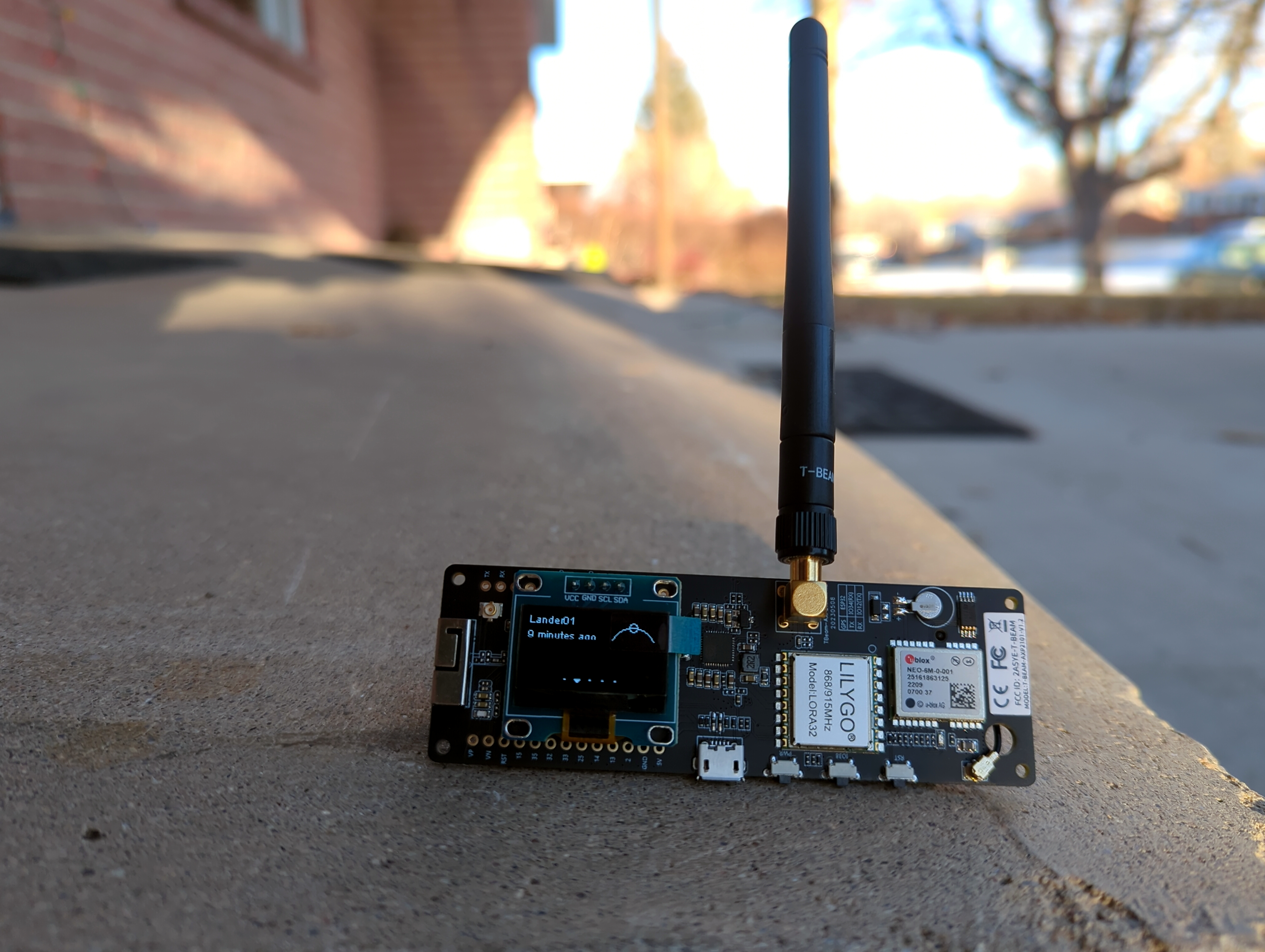
Users of Meshtastic and MeshCore have discovered their default radio configurations may violate FCC regulations for the 900 MHz ISM band, specifically regarding minimum bandwidth requirements. While Meshtastic has updated its software to comply, this change breaks compatibility with older installations, potentially splitting the community.
The issue stems from default bandwidth settings: MeshCore at 62.5 kHz and Meshtastic at 250 kHz, while FCC regulation 15.247 suggests a minimum of 500 kHz. Debate over the regulation's applicability and lack of official FCC guidance delayed addressing the problem.
Large network operators, like Philly Mesh, explored alternate configurations due to poor performance at 250 kHz in urban areas. Testing a 500 kHz mode revealed bugs and hardware compatibility issues, and significantly increased susceptibility to interference from other ISM band devices.
Philly Mesh announced a switch to MeshCore, citing its protocol's better handling of interference at 500 kHz, despite performance challenges. This decision creates further communication barriers, separating users on older Meshtastic configurations, newer Meshtastic configurations, and MeshCore users.
The shift by Philly Mesh fractures a previously unified network into multiple factions, with user apathy and 'tribalism' likely preventing a complete migration to a single, compliant configuration. This situation highlights the challenges of maintaining community-wide standards in decentralized networks.
AI-samenvatting op basis van de bron.
Hackaday