ArchDaily · Creativity & design
Air-Conditioning Reshapes Asian Cities, Creating Interiorized Urban Landscapes
Air-conditioning has evolved from cooling individual rooms to creating alternative urban environments in many Asian cities. This shift, often driven by transit-oriented development, integrates transport, shopping, housing, and services into interconnected complexes.
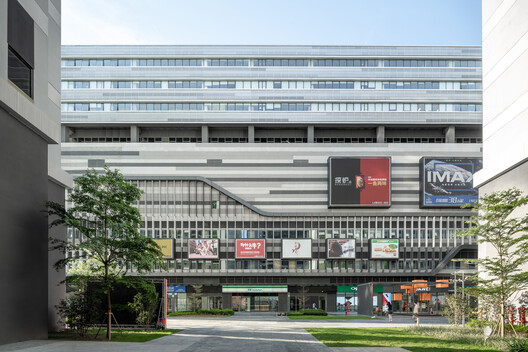
These systems offer efficient movement and relief from extreme weather. Shopping malls have become integral to urban circulation, functioning as more than just commercial spaces.
This convenience raises questions about adapting to climate versus escaping it. As conditioned environments become more continuous, the exterior city can be perceived as merely an interval between controlled interiors.
Contemporary Asian malls function as circulation infrastructure, absorbing traditional roles of streets and squares. Their success lies in combining transport, commerce, and services for dense urban life.
Planning tools in regions like Singapore and Bangkok support covered, elevated, and underground pedestrian connections, creating comprehensive networks for comfortable, all-weather movement.
The environmental cost is significant, with air-conditioning accounting for a large portion of electricity consumption and generating substantial waste heat.
As daily activities move indoors, investment follows, making interiors more attractive and the exterior less comfortable, creating a feedback loop.
The challenge is not to reject air-conditioning but to prevent it from defining all comfort. Architecture can offer protection without complete environmental separation, allowing people to remain within their climate.
AI-samenvatting op basis van de bron.
ArchDaily