ArchDaily · Creativity & design
Latin American City Planning Projects: A Study in Idealism vs. Reality
Three ambitious 20th-century urban planning projects in Latin America—Fordlandia, Brasilia, and Ciudad Guayana—sought to create new societies from scratch, but ultimately clashed with existing realities.
These projects, conceived from afar, treated territory as a blank slate. Fordlandia, an attempted American-style rubber plantation town in the Brazilian Amazon, failed due to blight and worker unrest. Henry Ford's vision of exporting a way of life was thwarted by the local environment and culture.
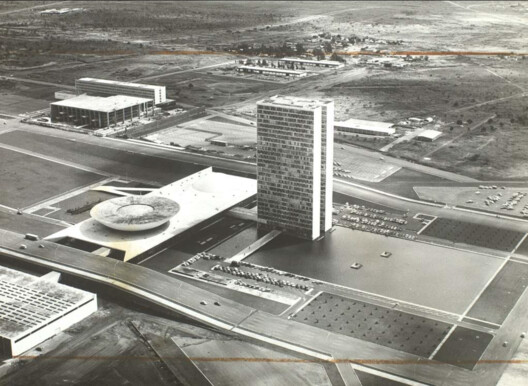
Brasilia, Brazil's new inland capital, was planned with a cross-shaped layout by Lúcio Costa. While its central Plano Piloto was realized, the city's expansion led to satellite towns housing many of the original construction workers, who were largely excluded from the planned city center.
Ciudad Guayana, a Venezuelan industrial city, was designed as a linear metropolis by MIT and Harvard planners. However, residents gravitated towards existing settlements like San Félix, and social segregation emerged, with planners' idealized system diverging from lived urban experience.
All three projects shared the ambition of societal reorganization through planning. However, they encountered the complexities of local climates, existing populations, and established ways of life, demonstrating that idealized plans often overlook the realities on the ground.
The success of such projects hinges on how a territory is perceived before construction. This perception is often not shared by the existing inhabitants, raising questions about who decides a place's future and what is excluded from that vision.
AI-samenvatting op basis van de bron.
ArchDaily