ArchDaily · Creativity & design
Digital Design's Loss of Scale and Materiality
Digital design tools, while powerful, can distance architecture from physical realities like gravity, scale, and material properties, potentially leading to designs that are visually impressive but spatially unconvincing.
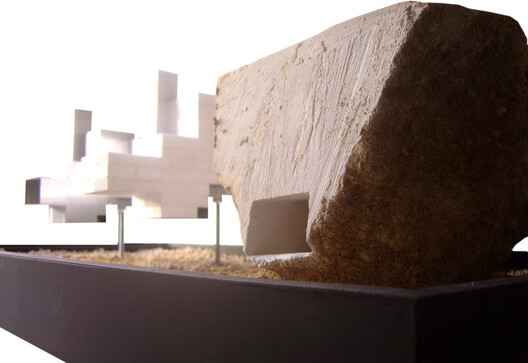
Historically, architectural design was tied to physical construction. CAD initially digitized geometry but later shifted design processes earlier, replacing traditional methods that kept scale and material central.
Digital modeling's infinite zoom and screen manipulation allow architecture to escape physical limitations. This freedom, driven by convenience, has dominated recent design trends.
This digital freedom erases inherent building limitations like gravity and tactility. While digital tools can visualize these, they often make them disappear, distancing design from architecture's meaning.
Scale is weakened in digital environments. The body's relationship to dimension is replaced by effortless camera movement and infinite zooming, making scale an effect, not a relationship.
Materiality becomes mere texture in digital space. Simulated materials detach from real-world consequences, appearing as surface effects without the obligations of matter.
This detachment matters as architecture is experienced physically. Prioritizing frictionless images risks losing material knowledge and misleads clients about material performance.
To remain meaningful, digital architecture needs implied physicality. This involves retaining architectural knowledge of scale, material implication, and inhabitation, even in speculative digital worlds.
AI-samenvatting op basis van de bron.
ArchDaily