ArchDaily · Creativity & design
6 Unbuilt Projects Designed for Pedestrian Movement
A selection of unbuilt projects from the ArchDaily community prioritizes pedestrian experience, emphasizing walkability as a path to a more sensory way of life, social cohesion, and safety in urban planning.
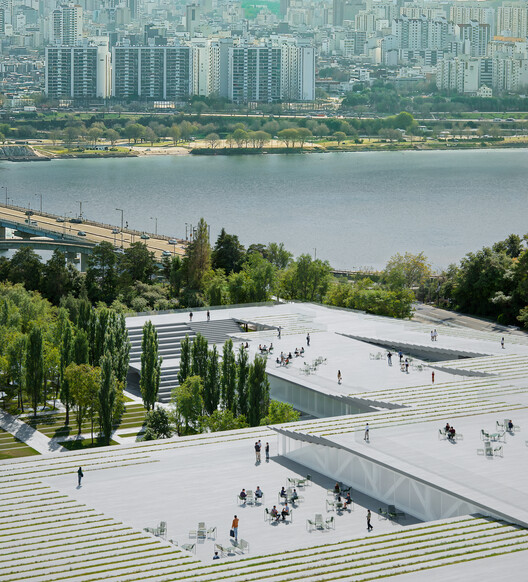
The postmodern city is often characterized by motorized mobility, contrasting with the slower pace of strolling or promenading. Walkability is promoted in urban planning for safety, social cohesion, and a more sensory lifestyle. These conceptual proposals link walking with environmental contemplation, respect for existing structures, and human connection.
Effective walkability involves factors like proximity of services, perceived safety, material comfort, and infrastructure for diverse bodies. The six featured projects, located in Korea, Canada, Finland, Greece, Libya, and the US, offer design solutions for buildings, public spaces, and neighborhoods. Strategies include habitable rooftops, sinuous circulation, covered paths, and integration with other transport modes, demonstrating how design can enhance the pedestrian experience.
AI-samenvatting op basis van de bron.
ArchDaily