Quanta Magazine · Science
Ctenophores: Ancient Organisms Revealing Secrets of Animal Evolution
Ctenophores, or comb jellies, represent a potentially ancient animal lineage that split off from other animals around 700 million years ago. Their unique biology is providing insights into fundamental evolutionary questions.
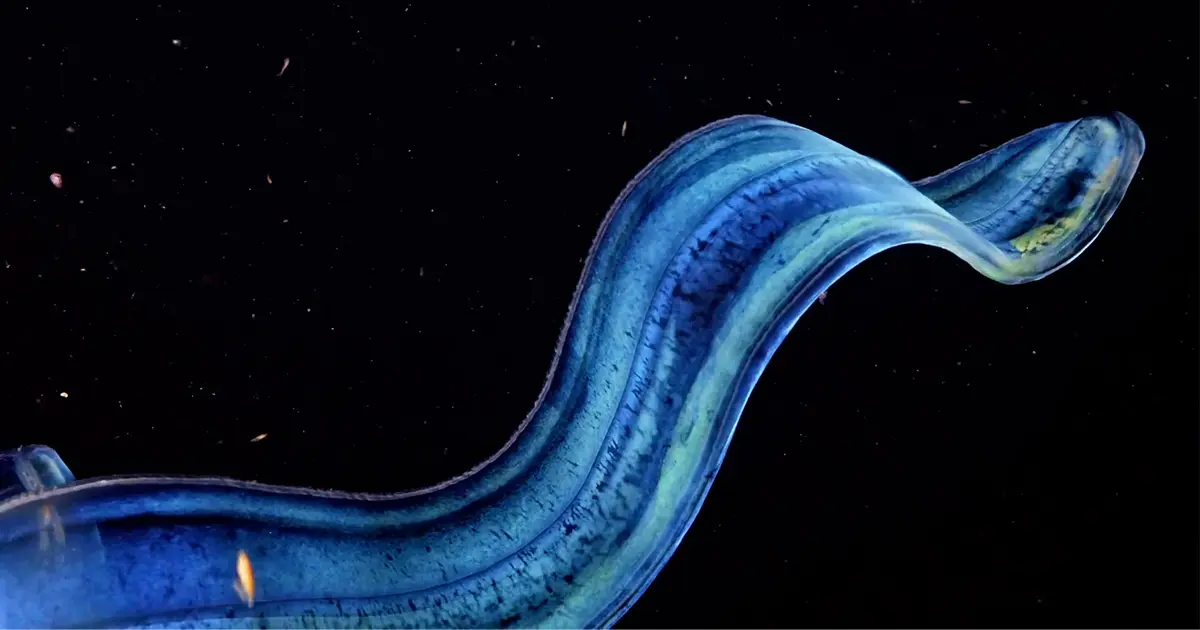
These gelatinous marine animals, unrelated to jellyfish, have persisted for millions of years and inhabit diverse environments. Their genetic makeup is key to understanding early animal biology, including the evolution of nervous systems and bioluminescence.
Studying ctenophores across different environments allows researchers to investigate evolutionary adaptations, such as to high pressure or light sensing.
For over a century, sponges were considered the earliest branching animal lineage. However, recent evidence, including chromosome organization analysis from 2023, suggests ctenophores may hold this position, though this remains a subject of ongoing scientific debate.
The presence of muscles and a simple nervous system in ctenophores, unlike sponges which lack both, challenges previous assumptions about the complexity of early animal life.
Further research reveals ctenophores possess complex traits, such as the ability to reverse development and specialized lipids for deep-sea survival, offering clues to the evolution of diverse body shapes.
Studying seemingly unusual organisms like ctenophores is crucial for uncovering fundamental biological principles applicable to all life, including humans, despite our distant evolutionary relationship.
AI-samenvatting op basis van de bron.
Quanta Magazine