Mongabay · Climate & nature
Community Conservation in Brazil: A Climate Investment Opportunity
Community-based land management in Brazil shows conservation success but faces social precarity. Linking conservation with income-transfer programs could be a viable investment, especially for initiatives like the Tropical Forests Forever Facility (TFFF).
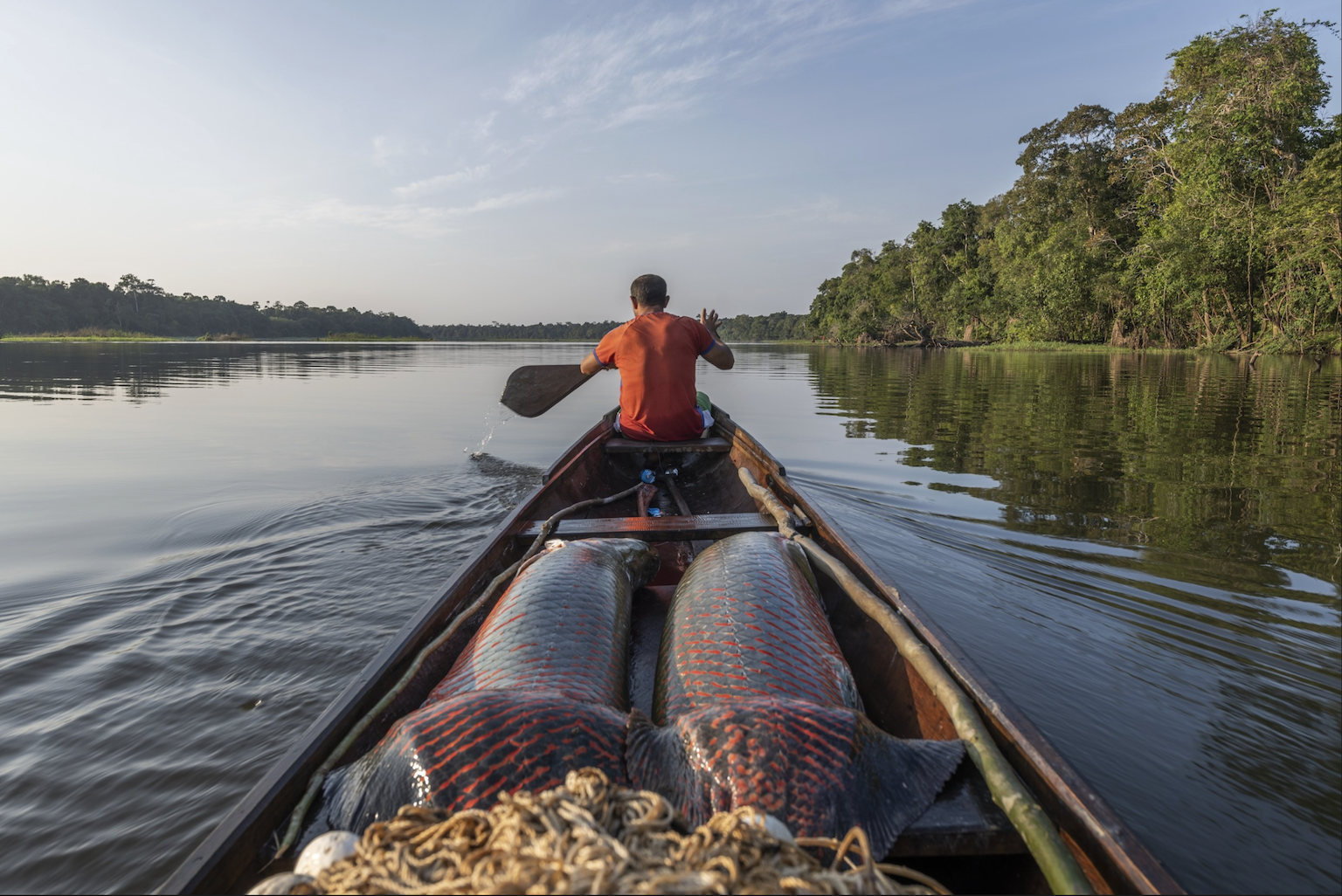
Drawing on Elinor Ostrom's work, community-based conservation effectively manages shared resources. Around 40% of global protected areas are managed by Indigenous and traditional communities, safeguarding significant biodiversity.
In Brazil, Indigenous lands lost 1.2% of cover over 30 years, and Quilombola territories lost 4.7%, far less than private areas (17-19.9%), proving community management's effectiveness.
Brazil's SNUC recognizes traditional communities and extractive reserves (Resex), covering 15.7 million hectares, co-managed by communities and the state.
Despite conservation gains, 40% of people in Brazilian conservation units face precarious living conditions, highlighting the need for social support.
The Bolsa Verde Program offers payments to families in collective territories who commit to conservation, addressing poverty and incentivizing environmental stewardship.
A 2021 review found local governance achieved combined environmental/social success in 56% of cases, versus 16% for external management.
Community conservation's dual benefits make it ideal for climate finance like TFFF. Focusing investment here could boost fundraising and outcomes, though TFFF beneficiary transparency needs attention.
AI-samenvatting op basis van de bron.
Mongabay