ArchDaily · Creativity & design
Citizen Campaign Seeks UNESCO Status for Lima's Pre-Colonial Sites
A citizen-led campaign, Red Lima Milenaria, is advocating for UNESCO World Heritage status for select pre-colonial archaeological sites within Lima, Peru. The initiative aims to enhance conservation and public awareness of these ancient structures.
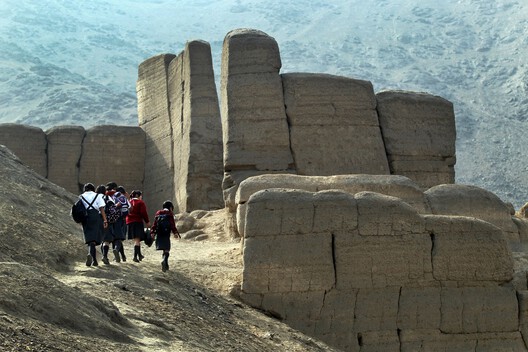
The campaign seeks to improve conservation for over 600 pre-colonial sites in Lima, many facing urban pressure. It aims to prepare a formal nomination for UNESCO, questioning heritage definitions amidst inequality.
These sites, known as huacas, were sacred places in Andean culture. Originally referring to portable stones, the term evolved to encompass sanctuaries. Today, these huacas are embedded within Lima's modern urban landscape.
Javier Lizarzaburu, founder of Red Lima Milenaria, stated UNESCO recognition would bring visibility, but the goal is for Lima's residents to integrate the huacas into the city's identity.
The campaign highlights past ways of life, challenging narratives that begin with the colonial period. The sites showcase ancient societies, including earthen structures and irrigation systems.
Lima is among few capitals with architecture dating back approximately 4,000 years within its metropolitan area. The campaign emphasizes the international significance of these sites.
Potential sites include El Paraíso huaca (2000 B.C.) and Pucllana huaca (5th century A.D.). For UNESCO recognition, sites must demonstrate authenticity, meet criteria, and have legal protection.
AI-samenvatting op basis van de bron.
ArchDaily