Mongabay · Climate & nature
Ship Collisions Threaten Mediterranean Whales
Ship strikes are a primary human-caused threat to endangered sperm and fin whales in the Mediterranean Sea, with thousands of vessels traveling through critical habitats at speeds that make collisions almost always fatal.
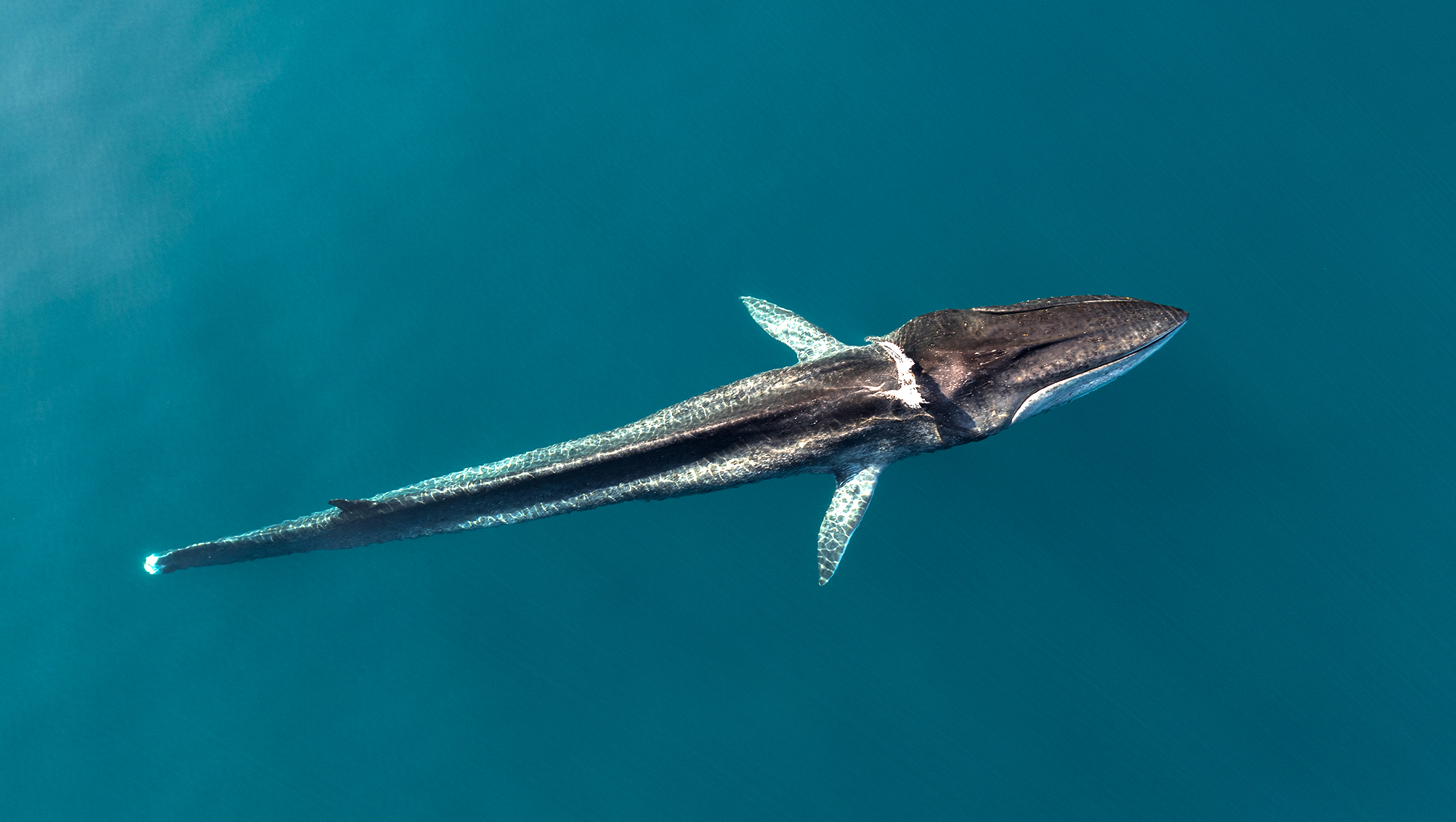
In 2025, nearly 2,800 large vessels traversed key Mediterranean whale habitats at speeds exceeding 15 knots (28 km/h), a threshold where ship strikes are typically lethal. Analysis highlights the continuous threat posed by dense maritime traffic to these endangered populations.
The Mediterranean hosts endangered sperm and fin whales, with fewer than 2,500 mature individuals each. A 2023 study conservatively estimated that ship strikes kill an average of 16.6 fin whales annually, hindering population recovery. The true scale is hard to assess as many incidents go unreported.
Solutions include speed restrictions, rerouting, and whale alert systems. However, voluntary speed recommendations in a designated Sensitive Sea Area have been ineffective, with over 80% of travel exceeding recommended speeds.
Implementing mandatory speed limits faces logistical and economic challenges. Some experts suggest compulsory regulations are needed for the shipping industry to reduce speeds.
Technological advancements, like dynamic risk maps predicting whale locations, are under development. Rerouting ships is viable in some areas. Acoustic warning systems are being tested for critical chokepoints where rerouting is not possible.
The effectiveness of solutions varies. Rerouting is most effective but not always feasible. Acoustic systems show promise but face export challenges. The fate of these whales may depend on policy decisions and industry adaptation.
AI-samenvatting op basis van de bron.
Mongabay