Science News · Science
Book 'Bogland' Explores Unique Ecosystems
Merritt R. Turetsky's book, 'Bogland,' highlights the beauty, vitality, and dangers of bog ecosystems, emphasizing their unique peat formation and role in carbon storage.
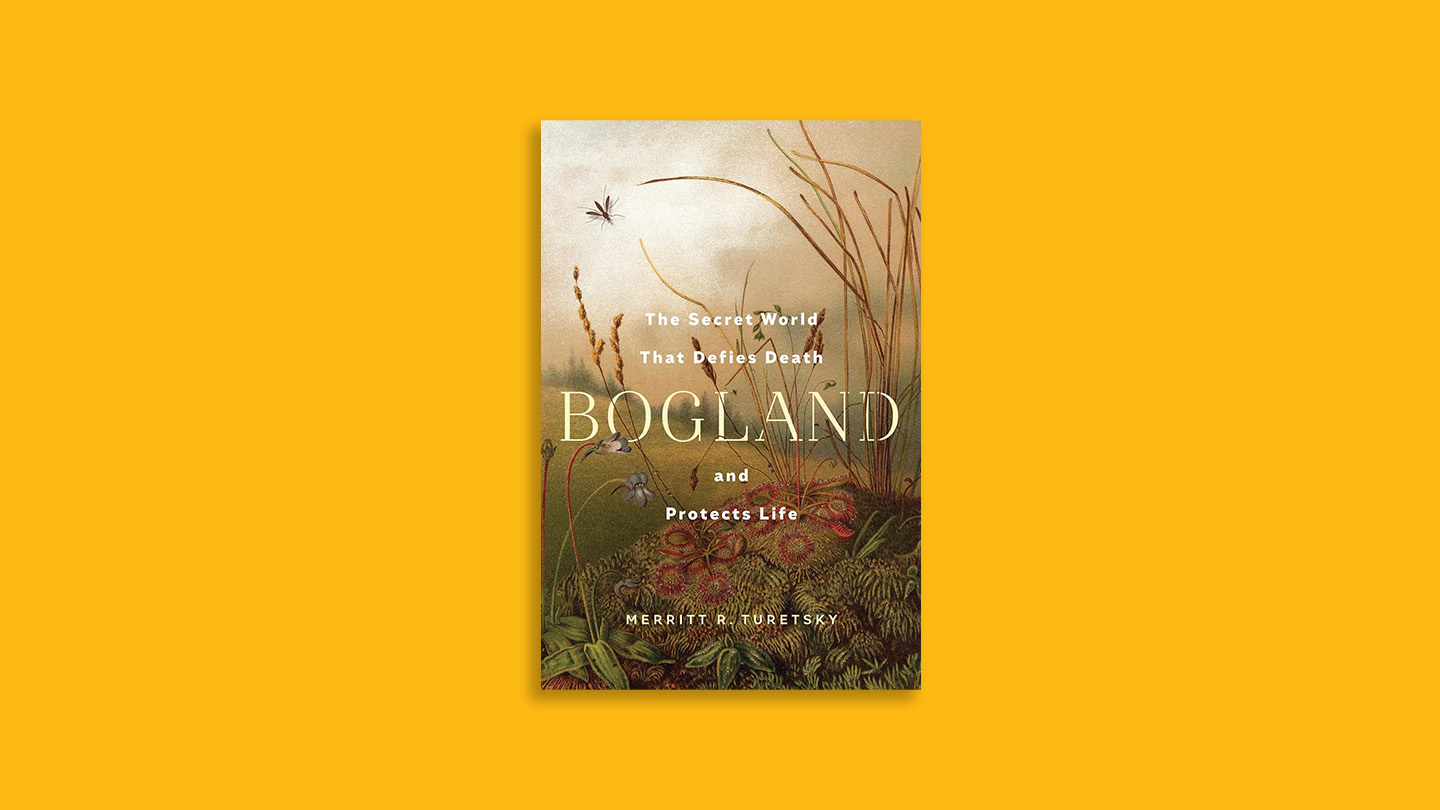
Boglands, situated between land and water, are defined by their soggy, oxygen-starved conditions that slow microbial decomposition, leading to the formation of carbon-rich peat. This peat distinguishes them from other ecosystems.
The book differentiates between bogs, which receive water from precipitation and are nutrient-poor, featuring sphagnum moss and carnivorous plants, and fens, which are fed by streams and groundwater, supporting more diverse plant life.
Turetsky shares personal anecdotes of her fieldwork, including enduring insect swarms in Nova Scotia and exploring a vibrant peat swamp in Brunei filled with diverse pitcher plants.
The author also recounts a disorienting experience of getting lost in a bog, illustrating the deceptive nature of these environments even in familiar terrain.
Boglands are significant for climate regulation, storing approximately 30 percent of Earth's soil carbon, which is more than all the world's forest biomass combined, despite occupying only 3 percent of land area.
However, these vital ecosystems are threatened by drainage for agriculture, wildfires, drought, and climate change, posing a risk of releasing their stored carbon and exacerbating greenhouse gas emissions.
While the book effectively conveys the importance of boglands, it could benefit from more basic explanations of climate science concepts mentioned. Despite this, the overarching message about boglands' formation and climate contribution is clear.
AI-samenvatting op basis van de bron.
Science News