ArchDaily · Creativity & design
Digital Heritage and Preservation Limits
Digital reconstructions like Ajanta offer new ways to experience heritage sites, but raise questions about authenticity and interpretation.
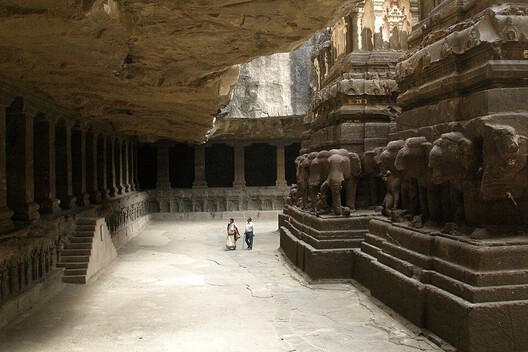
Digital reconstruction uses 3D scanning and VR to preserve sites, improve access, and aid research. Navigable digital models become environments that shape architectural experience.
Creating navigable models involves design choices, establishing spatial logic. Believable simulations can foster a sense of place, even without physical presence.
Reconstructing damaged or lost elements alongside existing ones presents challenges. Interpretation in reconstruction can blur the line between evidence and assumption.
Virtual heritage accuracy is debated; 'loose-realism' acknowledges interpretation. Distinguishing evidence from interpretation is crucial.
Digital environments offer unique access, like navigating inaccessible areas, but cannot replicate sensory experiences.
Digital access complements physical visits but doesn't replace them. It extends reach without claiming to reproduce all original qualities.
As digital heritage expands, representing site gaps and interpretations becomes key. Reconstructions may become primary ways of knowing a place.
AI-samenvatting op basis van de bron.
ArchDaily