Dezeen · Architectuur
Balearic Islands' model for social housing wins Obel Award 2026
The Balearic Islands' social housing model has been awarded the Obel Award 2026 for its innovative approach to public housing, demonstrating that public administration can be a significant driver of change. This model addresses housing shortages through a sustainable framework for procuring, designing, and constructing public housing.
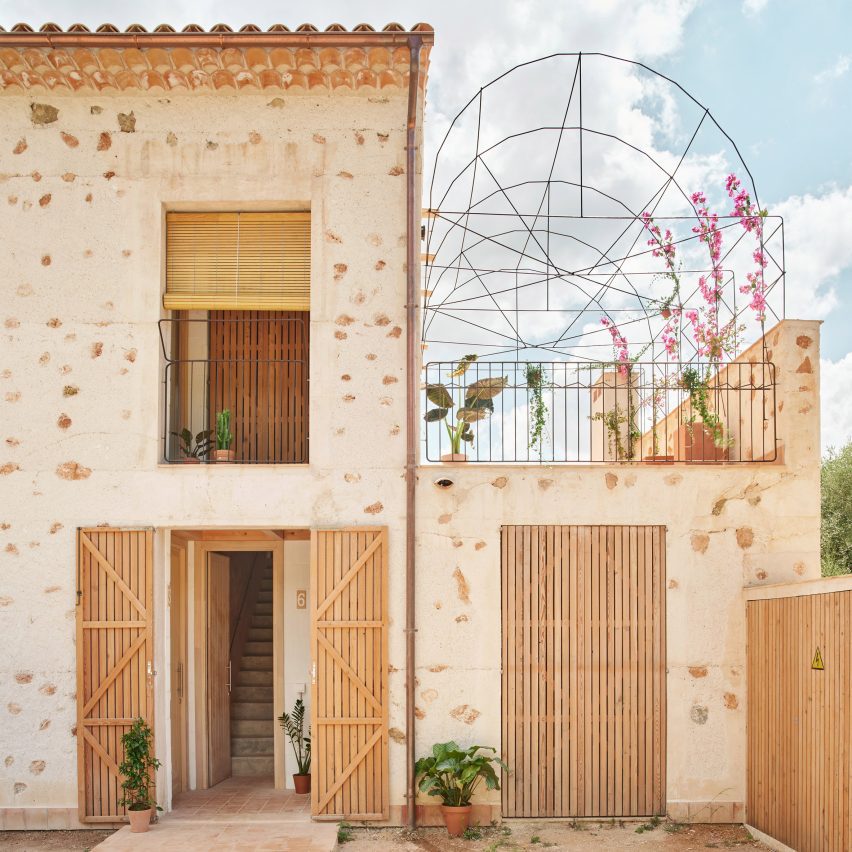
The Balearic Social Housing Institute (IBAVI) developed this model, which prioritizes local materials, circular construction principles, and climate-responsive design to rapidly increase public housing stock without compromising quality. The award jury highlighted the model's innovation not only in design and materials but also in procurement, policy, and process.
Jury chair Nathalie de Vries noted that the challenges of public housing shortages are global, and the Balearic model offers a framework for public institutions to adapt and implement systemic change. The initiative, led by economist Cris Ballester Parets and architect Carles Oliver Barceló between 2019 and 2023, is recognized for driving environmental, social, and economic transformation.
The Obel Award citation emphasized the model's integration of public policy, architectural experimentation, environmental responsibility, local production, and dignified housing delivery. It was praised for transforming systems from within by using public administration as a space for experimentation, turning public procurement, investment, and management into tools for change.
Part of the prize fund will be used to expand the international reach of the Balearic social housing model. Carles Oliver Barceló has renounced his personal share of the prize for emergency housing initiatives in the Balearic Islands, and IBAVI has also renounced the award. The Obel Award will launch a new award cycle in spring 2027, focusing again on the Systems' Hack theme.
AI-samenvatting op basis van de bron.
Dezeen