Science News · Wetenschap
Space Telescope's Rescue Mission Fails as Both Spacecraft Face Demise
NASA's Neil Gehrels Swift Observatory is falling out of orbit, and a private rescue mission by Katalyst Space has also failed, marking a setback for satellite servicing technology.
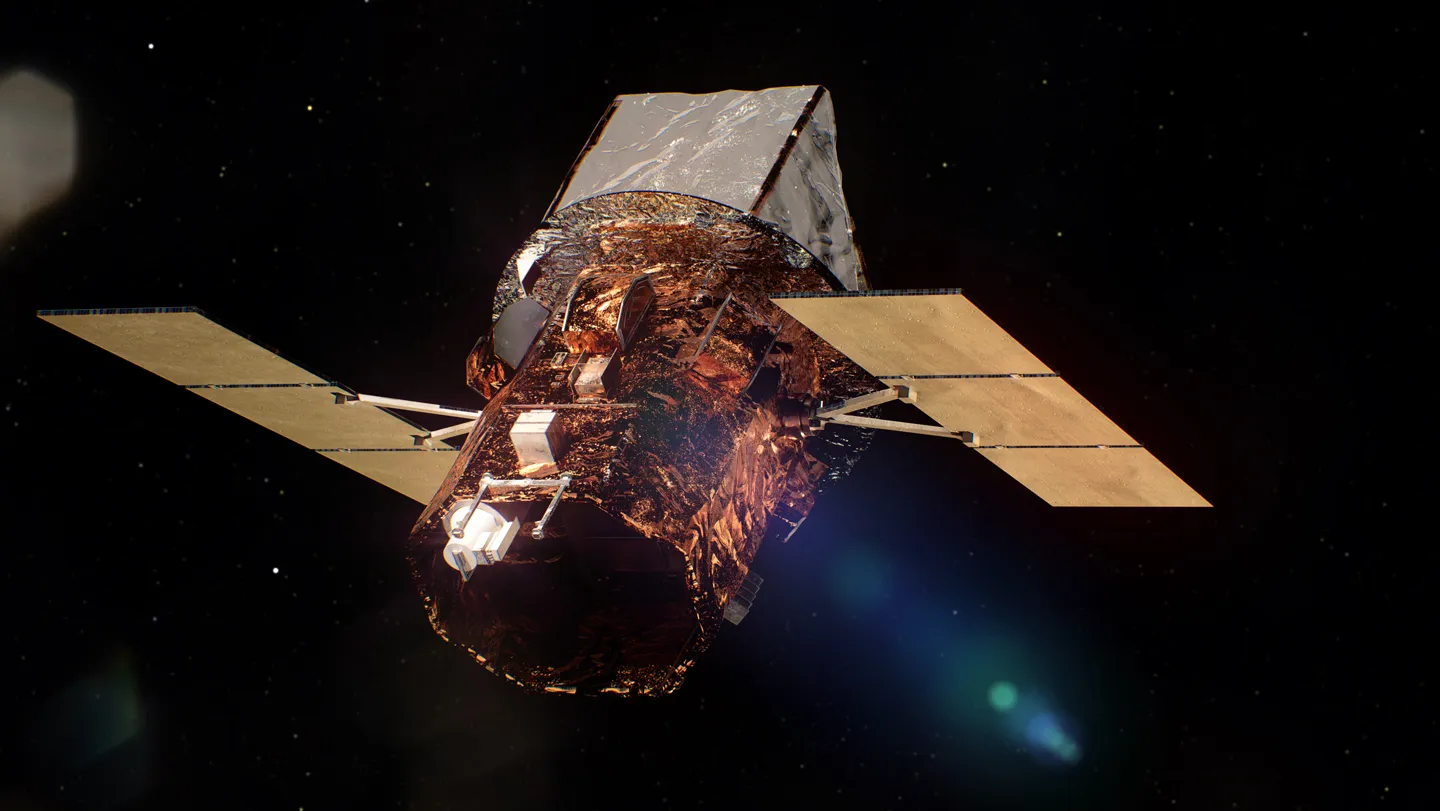
The Swift Observatory, in orbit for over 20 years, is losing altitude due to atmospheric drag and solar activity. NASA hired Katalyst Space to develop a spacecraft, LINK, to boost Swift's orbit. However, LINK malfunctioned shortly after launch, and despite attempts to stabilize it, the rescue mission was called off on August 19 due to insufficient fuel.
This event highlights the challenges in on-orbit satellite servicing, a field aiming to repair and maintain expensive spacecraft. The Swift mission was intended as a precursor to a potential servicing mission for the Hubble Space Telescope. Swift, launched in 2004, specializes in observing gamma-ray bursts, allowing scientists to study distant stellar environments.
Satellite servicing is a growing area with advancements in robotics, sensors, and propulsion. Future missions aim to refuel, relocate, or even salvage parts from defunct satellites. However, as demonstrated by the Katalyst mission, early attempts may not always succeed.
Swift has lost approximately 10 kilometers in altitude in the past month. Mission managers anticipate Swift will reenter Earth's atmosphere in late November or December, potentially sooner if science operations are resumed. The rescue spacecraft, LINK, is also expected to reenter within five years.
AI-samenvatting op basis van de bron.
Science News