Smithsonian Magazine · People & society
Exhibition Explores 'Power of the Fragment' in Damaged Art
An exhibition titled "Broken: The Power of the Fragment" showcases over 80 incomplete artworks spanning 4,500 years, examining the beauty and historical context of damaged pieces. The show, currently in Florence, will travel to Washington, D.C. next year.
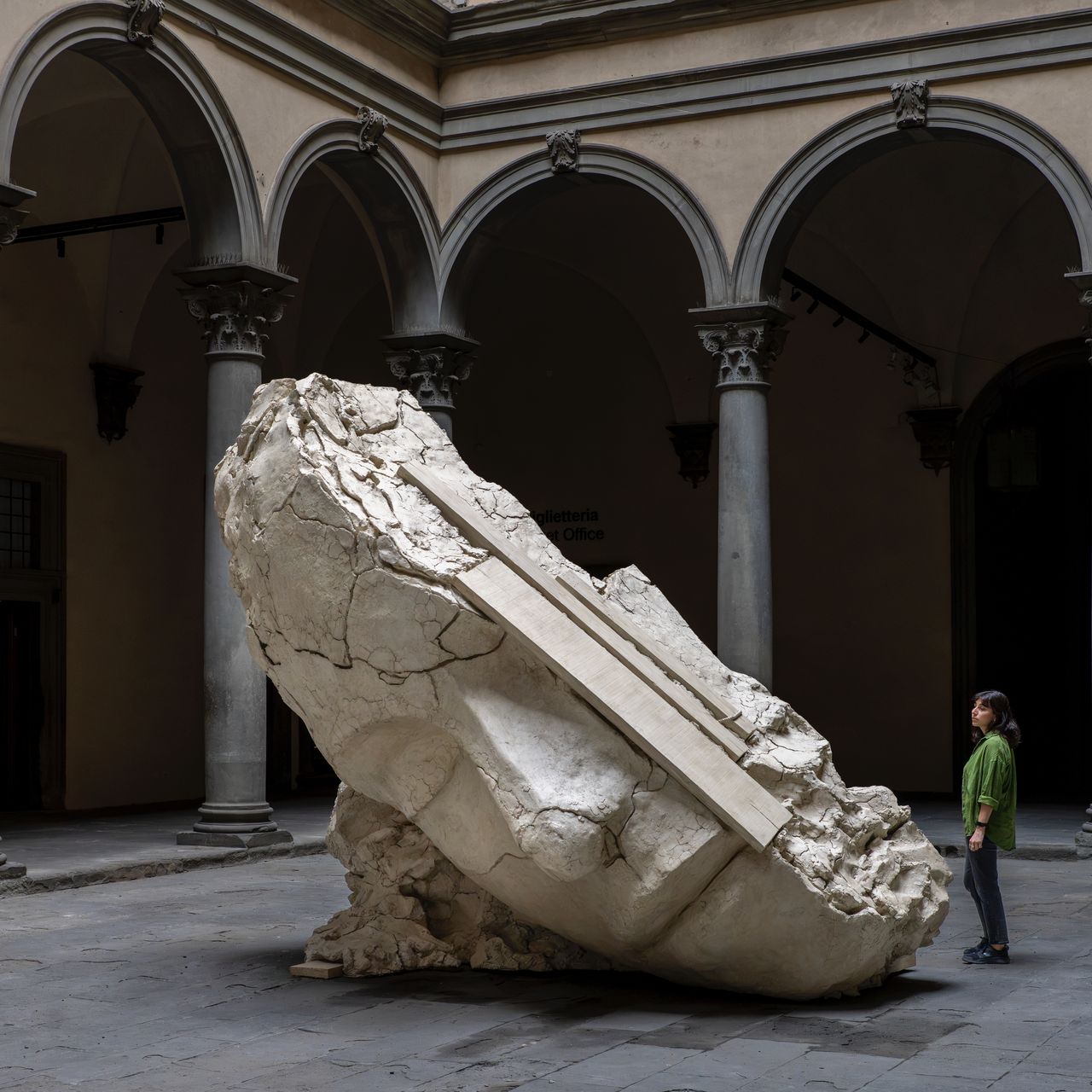
Curated by C.D. Dickerson III and Andrew Sears, the exhibition focuses on why and how these artifacts became fragmented, highlighting their aesthetic appeal. Fragments draw attention to specific details, encouraging a different way of viewing objects.
Featured items include a 14th-century B.C.E. limestone fragment of Egyptian pharaoh Akhenaten's nose and lips, and heads from statues over 2,000 years old. A bronze leg from a Greek king's statue, destroyed in 200 B.C.E. for political reasons, is also displayed.
The exhibition illustrates various causes of damage, such as conflict, war, colonialism, looting, and natural disasters. A 1923 bust of Benito Mussolini with a bullet hole and a 14th-century sculpture damaged by floods are among the examples.
Some pieces were intentionally broken during regime changes to eliminate symbols of past rulers. Others were damaged by looters, or during wartime, like a neo-Hittite sculpture destroyed by bombs in World War II.
Environmental factors also contributed to damage, including a sculpture that sank in an ancient Greek trading vessel and another affected by Florence's 1966 floods. The exhibition also touches on climate challenges facing sculptures.
The show celebrates the cultural significance of "missing" parts, presenting sculptures whose fragmentation is integral to their character. Examples include a fragment of Emperor Constantine the Great and Michelangelo's headless, armless clay model.
AI-samenvatting op basis van de bron.
Smithsonian Magazine