Mongabay · Climate & nature
New Cat Species Discovery Hints at More to Come
Recent genetic research suggests more wild cat species may be identified, following the formal description of the tilcayo from Bolivia. These taxonomic changes have significant conservation implications.
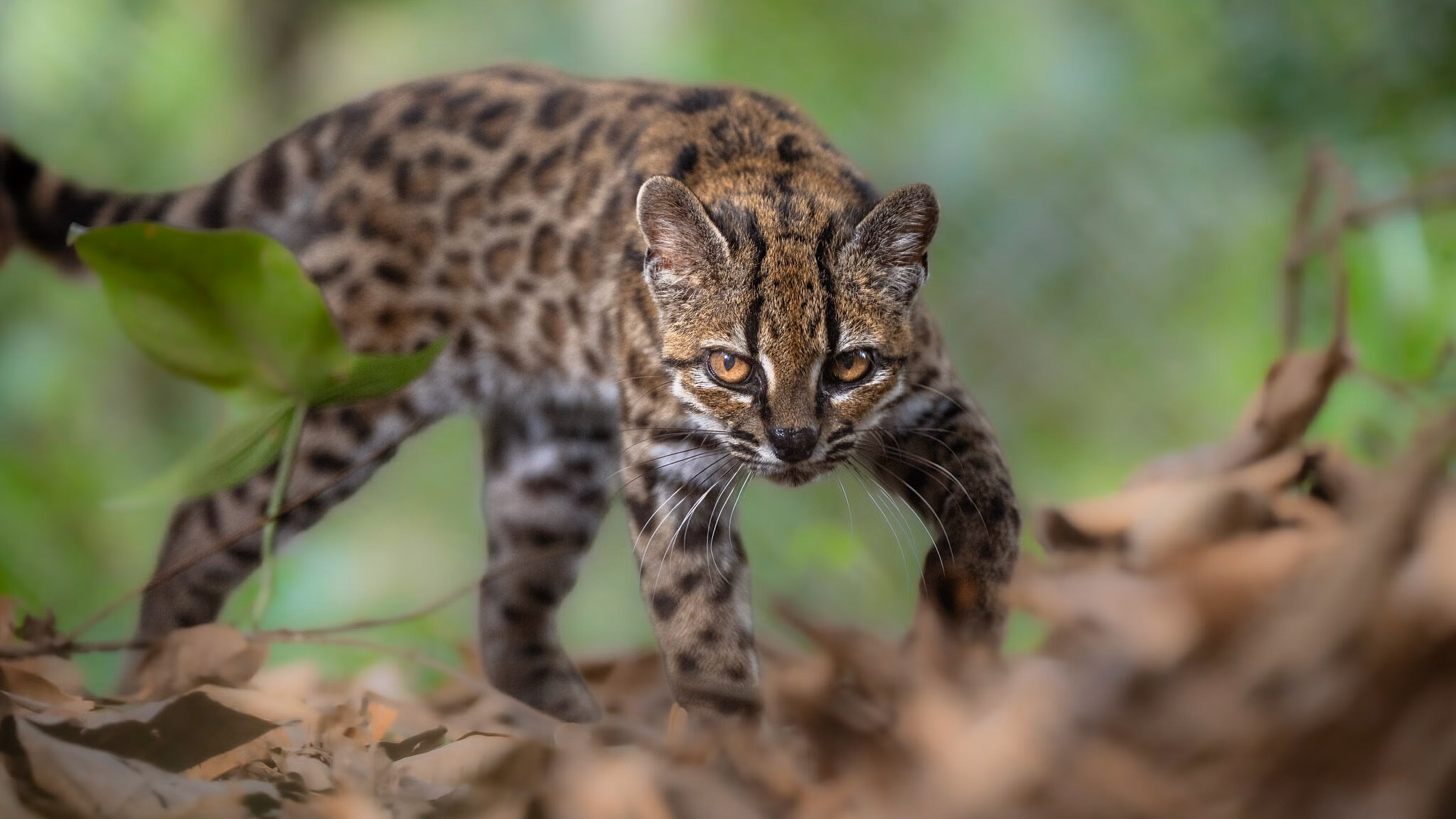
The tilcayo, a small spotted cat from Bolivia, was recently described as a new species. Genetic analysis indicates its lineage diverged from other tiger cats around 1.4 million years ago.
Biologist Tadeu Gomes de Oliveira notes that tiger-cat species could increase from three to six or seven. New research also questions margay taxonomy.
These distinctions are crucial for conservation. Oliveira estimates fewer than 200 munoai pampas cats remain; recognizing them as a distinct species could aid protection and funding.
Species recognition involves evaluating biogeography, morphology, and genetics, with a current standard of one million years for genetic separation. Oliveira suggests this threshold may be too high for cats.
He proposes lowering the genetic separation threshold to ~400,000 years, potentially resolving classification issues for Pampas cat groups.
The munoai pampas cat faces extinction due to habitat loss and roadkill, with a population estimated at 200 individuals. Its habitat is threatened by cattle grazing and development.
Tiger-cat research suggests margays may represent at least four distinct species, with genetic divergences of one million years between populations. This is not yet formally published.
AI-samenvatting op basis van de bron.
Mongabay