Science News · Wetenschap
New Cancer Vaccine Shows Promise in Preventing Melanoma Recurrence
A novel experimental vaccine, intisomeran, when used in conjunction with the immunotherapy drug Keytruda, has shown potential in keeping high-risk melanoma from returning in patients. This personalized treatment approach, utilizing mRNA technology, aims to train the immune system to target specific cancer cells after surgical removal of tumors.
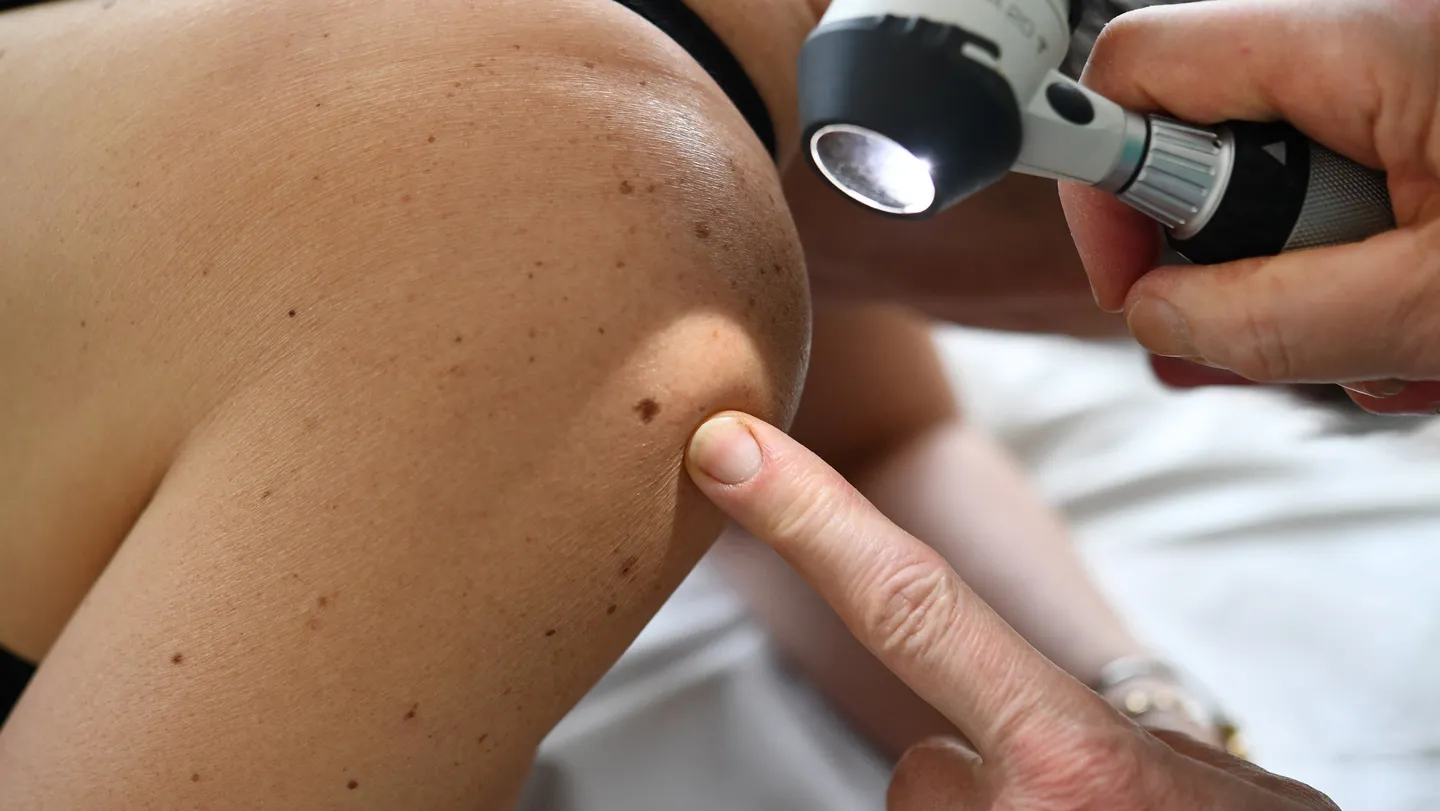
In a large clinical trial, patients with high-risk melanoma who received the experimental vaccine alongside Keytruda experienced longer periods without cancer recurrence compared to those who received Keytruda alone. Moderna and Merck announced this development on August 19. The vaccine is designed to be personalized, targeting unique cancer cell markers (neoantigens) from an individual patient's tumor.
Intisomeran is a therapeutic vaccine, meaning it treats existing cancer rather than preventing its development. It works by delivering mRNA to cells, similar to COVID-19 vaccines, to educate the immune system to recognize and attack cancer cells. Keytruda, an approved immunotherapy drug, acts as a checkpoint inhibitor, essentially releasing the brakes on the immune system to enhance its anti-cancer response. The combination therapy aims to eliminate any residual cancer cells post-surgery.
Melanoma is the deadliest form of skin cancer, with over 100,000 diagnoses annually in the U.S. While treatments have improved, options for preventing recurrence after surgery, especially for advanced stages (II, III, and IV), remain limited. This new vaccine, if approved, could offer a significant advancement in post-surgical treatment, aiming to extend the cancer-free survival time for patients.
The vaccine technology is unique due to its personalization based on individual neoantigens and its use of mRNA. Challenges in developing personalized vaccines include tissue acquisition, manufacturing, and timely delivery to patients. While cancer vaccines have been studied for a long time, none have yet met the statistical criteria for FDA approval in practice. This approach is being tested in patients with surgically removed melanoma across various stages, including high-risk stage II, stage III, and stage IV where all tumors were surgically removed.
AI-samenvatting op basis van de bron.
Science News