Good Good Good · People & society
Post-Disaster Connection: Resilience Amidst Trauma
Research following major disasters like 9/11 and Hurricane Katrina suggests Americans possess a remarkable capacity to reconnect and find strength in community, even amidst profound loss.
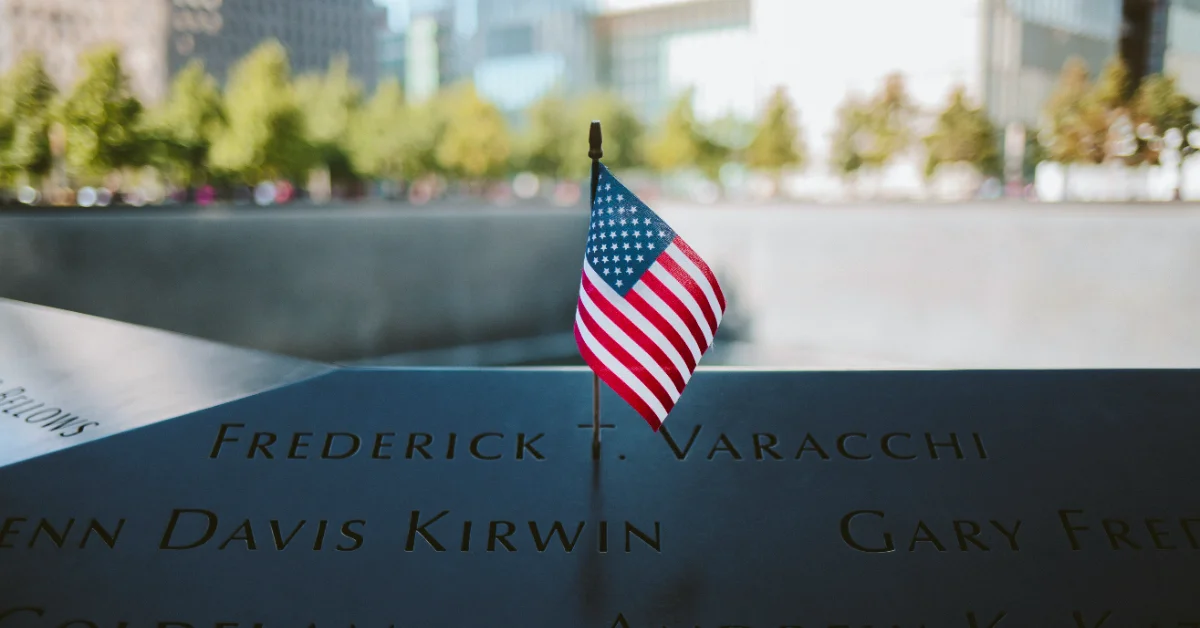
After 9/11, surveys showed widespread charitable giving and volunteerism. Divorce rates in New York counties significantly decreased, suggesting people turned towards social relationships.
Hurricane Katrina saw widespread volunteer support. Studies on children affected by Katrina highlighted that separation from family and community were linked to greater post-traumatic stress symptoms.
The increasing frequency of disasters necessitates understanding community recovery. Survivors often advise leaning on faith and community, a message echoed by those affected by the Maui wildfires.
However, community connections can strain without adequate resources for recovery. The Exxon Valdez oil spill aftermath shows how prolonged recovery and eroded trust can lead to a 'corrosive community'.
Adequate support, fair resource distribution, and trusted institutions are crucial for cohesion. Recovery is a collective effort involving families, neighbors, and volunteers.
Despite societal divisions, disasters reveal an enduring human capacity for connection. Research after Hurricane Maria showed survivors helping others across social divides.
This ability to connect is not solely a response to catastrophe but an inherent trait that fosters resilience in individuals and communities.
AI-samenvatting op basis van de bron.
Good Good Good