Atlas Obscura · People & society
Rare 18th Century Pirate Flag Displayed in Portsmouth
A genuine Jolly Roger, captured in 1790, is on display at the National Museum of the Royal Navy in Portsmouth, England. Surviving pirate flags are exceptionally rare, as they were typically disposable items.
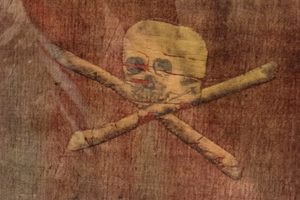
This flag is one of only two or three historically authentic pirate flags known to exist globally. Most historical knowledge of pirate flags comes from secondary sources, making this surviving example crucial primary evidence of pirate signaling and intimidation tactics.
Contrary to the common image, not all Jolly Rogers featured a skull and crossbones. Early versions were often dyed blood red, a deliberate signal indicating that no quarter would be given and all opponents would be killed.
The skull and crossbones motif itself has a bureaucratic origin, borrowed from the symbol used in ships' logs to denote a death on board.
The flag's legacy extends beyond the 18th century. Royal Navy submarine crews adopted the Jolly Roger from World War I onwards, transforming an insult about submarine warfare into a symbol of pride and marking successful patrols on their own flags.
AI-samenvatting op basis van de bron.
Atlas Obscura