NASA · Weltraum
Hubble and Webb Telescopes Observe Distant Solar System Objects
For the first time, NASA's Hubble and James Webb Space Telescopes have jointly studied Trans-Neptunian Objects (TNOs), revealing unexpected findings about these distant, icy bodies.
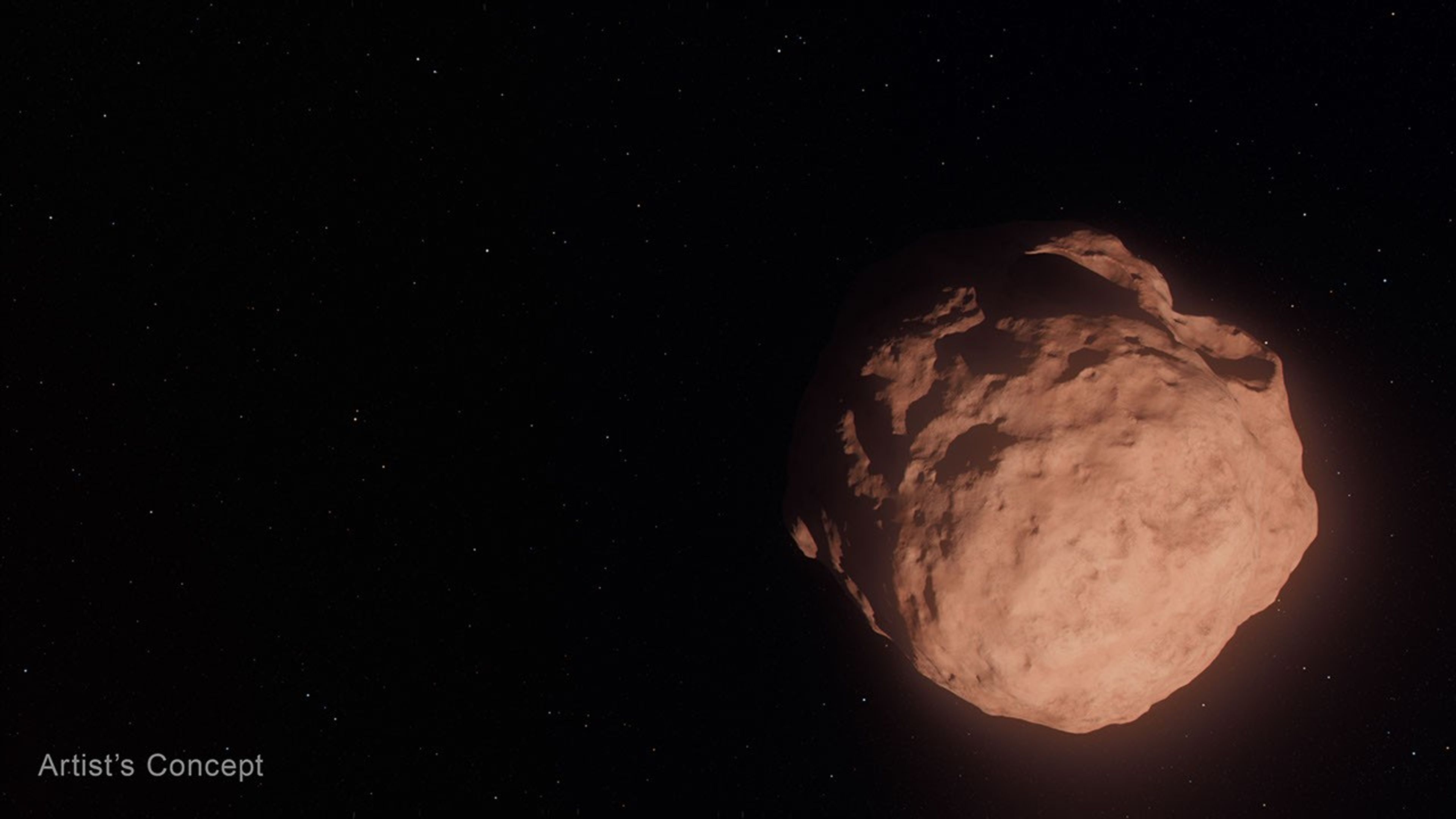
Scientists observed 27 newly discovered, extremely faint TNOs, which are remnants from the early stages of planet formation. The observations analyzed their color, composition, and size distribution.
The study examined two types of TNOs: dynamically 'cold' ones in stable orbits and 'hot' ones that were scattered by outer planets. Both types orbit beyond Neptune.
Contrary to expectations, the surfaces of the small TNOs appeared similar to their larger counterparts, suggesting that collisions have not significantly altered their composition.
This implies that these small bodies retain their original, pre-collision characteristics, leading researchers to describe them as 'remembering' their formation history.
The data also indicated fewer small TNOs than predicted by some planet formation models. The smallest observed object has a diameter of about 3 miles (5 kilometers).
The combined capabilities of Hubble (visible light) and Webb (infrared light) provided unprecedented insights into these objects, which are too faint for ground-based telescopes.
These findings contribute to understanding how planetesimals formed in the early solar system, with the processes appearing consistent across different regions and conditions.
AI-samenvatting op basis van de bron.
NASA